A Major Shock in Global Affairs
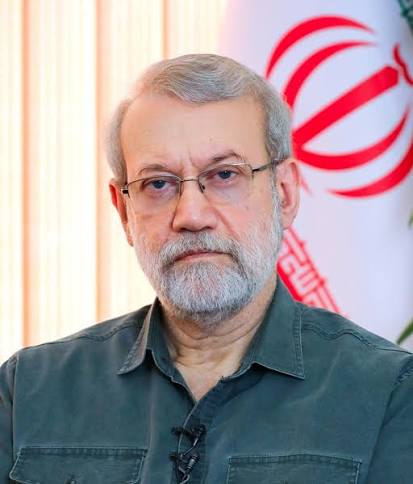
BREAKING: Israel’s military has announced that Ali Larijani, Iran’s top security chief and the secretary of the Supreme National Security Council, has been killed in an overnight airstrike, according to Israeli Defence Minister Israel Katz. The targeted strike is part of a broader and intensifying conflict between Israel and Iran, which has already seen numerous senior Iranian figures killed in recent weeks.
Reports also indicate that Gholamreza Soleimani, commander of Iran’s Basij paramilitary forces, was killed in related strikes, marking one of the most significant blows to Iran’s leadership structure since senior officials were targeted earlier in the war.
Iran has not yet officially confirmed these deaths, and independent verification is pending. Still, the statements from Israeli leaders have set off global alarm over the rapid escalation and potential wider repercussions of this conflict.
Who Was Ali Larijani and Why His Reported Death Matters
Ali Larijani, 67, served as Iran’s national security chief and was widely regarded as one of the country’s most influential political and strategic figures. Formerly involved in nuclear negotiations and trusted within Iran’s political establishment, Larijani had become deeply embedded in shaping Tehran’s strategic response to the ongoing conflict.
His reported death—if confirmed—would mark one of the highest‑profile assassinations since the start of the current US‑Israeli war with Iran and the death of Supreme Leader Ayatollah Ali Khamenei earlier in the conflict.
The killing of a senior figure like Larijani signals a dramatic escalation in hostilities and represents a major shift in the balance of power within Iran’s leadership. Gholamreza Soleimani’s death, simultaneously reported by the Israeli military, further underscores the severity of these strikes and their broad impact on Tehran’s military and paramilitary command structure.
Global Repercussions and Uncertain Future
These developments have sparked intense reactions around the world. Analysts warn that the targeted elimination of high‑ranking officials can deepen the conflict and risk broader regional instability. Iran’s government has yet to respond publicly, leaving uncertainty about whether retaliatory actions could follow.
The situation also raises questions about diplomatic tensions and global energy security, as Iran plays a significant role in the Middle East and controls key oil shipping routes. Any further escalation could have far‑reaching effects on international markets, alliances, and civilian safety.
As the world watches closely, the possible deaths of Larijani and Soleimani highlight the sobering reality of how intense and deadly modern geopolitical conflicts can become. The next steps by both Iran and Israel—and by global powers monitoring these events—will likely shape the trajectory of the region in the weeks and months ahead.
Leave a Reply