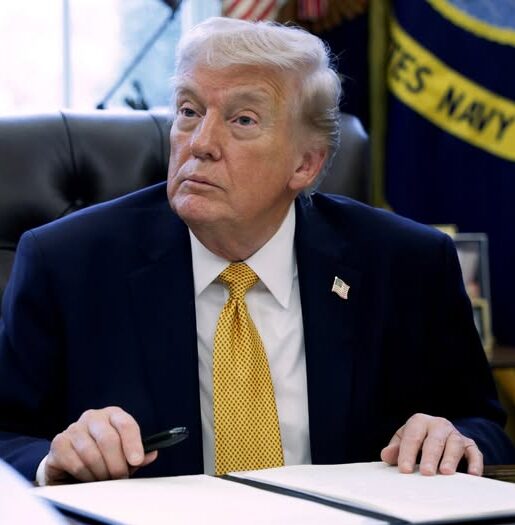
A Fractured Alliance in Times of War
In an increasingly tense global landscape marked by the ongoing conflict between the United States, Israel, and Iran, Donald Trump has once again ignited controversy with his remarks about NATO, the decades‑old transatlantic defense alliance. “We don’t need them, but they should have been there,” Trump stated in a recent address, rebuking NATO allies for not joining the U.S. and its partners in military operations aimed at securing the Strait of Hormuz — a vital shipping route now disrupted amid the hostilities.
The controversy stems from Trump’s frustration with European and other Western allies who have declined to send warships or military support to assist in deterring Iranian attacks and reopening critical sea lanes. Despite these rebuffs, Trump insisted that America’s success in its military campaign gives the U.S. the strength to act independently — and without NATO’s help.
Criticism, Tensions, and Transatlantic Strains
Trump’s comments reflect a deepening rift between the U.S. and its traditional allies, many of whom have been hesitant to formally join the Middle East conflict. European leaders, including those from Germany, France, and the UK, have emphasized the need for diplomatic solutions over military escalation, stressing that NATO was designed for collective defense — not extended offensive operations far from its core territorial remit.
This tension has led Trump to publicly label NATO’s refusal as a “very foolish mistake,” blaming allies for not stepping up to share the burden in what he characterizes as a global strategic crisis. At the same time, the U.S. head of state has declared that America no longer requires NATO’s assistance, despite having previously sought international support for securing vital maritime routes.
The underlying division has exposed fault lines in decades‑old alliances. For many experts, Trump’s repeated remarks have dampened trust among long‑standing partners, raising questions about the future cohesion and relevance of NATO in a world where global conflicts stretch far beyond Europe’s borders.
Uncertain Future and Global Consequences
The consequences of this political and military stand‑off extend beyond diplomatic spats. Rising tensions in the Middle East have already disrupted global energy markets, with oil prices climbing due to the blockage of the Hormuz Strait — a choke point responsible for nearly 30% of the world’s maritime oil shipments.
At home and abroad, critics argue that Trump’s insistence on sidelining NATO risks weakening global security structures at a time when unified international responses are crucial. Supporters, on the other hand, frame this as an assertion of U.S. national strength — a bold declaration that Washington will no longer depend on allies who fail to match American commitment on the battlefield.
As this geopolitical storm continues, analysts warn that divisions within the Western alliance could have long‑term impacts on international security commitments, multinational defense cooperation, and the future shape of global politics.
For more check out skynews posts: https://t.co/ctU88XSZcr
Leave a Reply